Planning flatbed hire in Chester
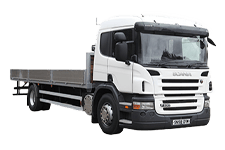
A dropside earns its keep when the load is long, awkward or heavy enough that a box van would slow you down. Folding sides let you reach the deck from the kerb or from a forklift, and an open bed takes lengths that would never fit through rear doors. Those advantages only hold if the vehicle, the driver and the destination all suit the job, so this page works through each in turn.
The example used throughout is a typical one. You collect materials from a trade counter on an industrial estate outside the centre, then drive in to finish a job near the historic core. The two ends of that journey raise very different questions. At the yard, the questions are weight, restraint and loading. In town, they are when you may enter, where you may stand and how to unload safely among pedestrians.
Matching the dropside to the load
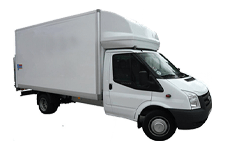
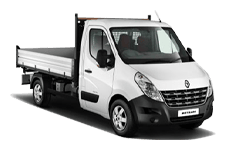
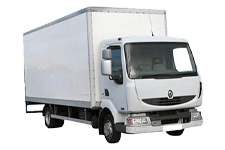
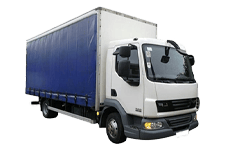
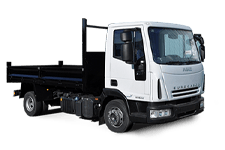
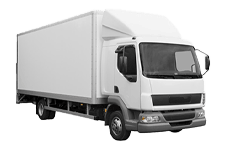
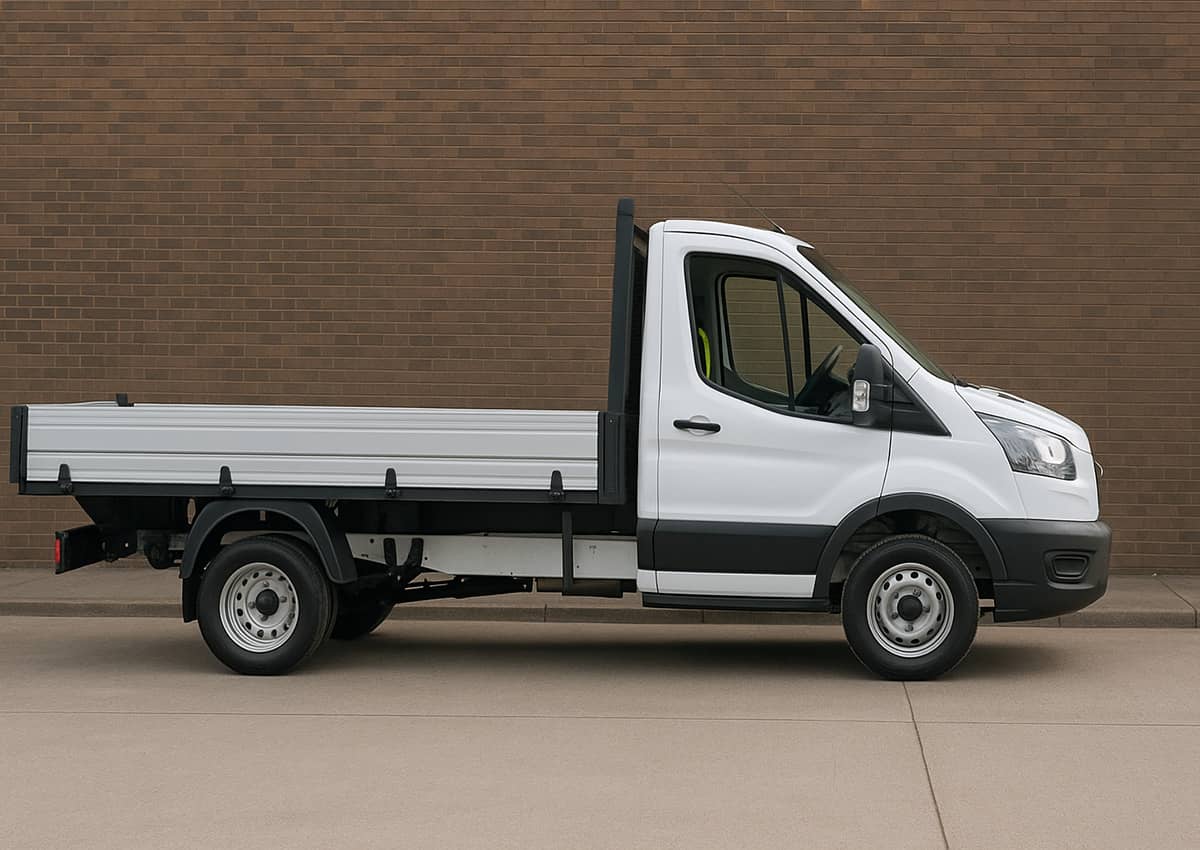
Start with the longest item and the heaviest pallet, not the vehicle name. A 3 metre dropside is a compact choice for fencing panels, boards and bagged materials where there is little room to manoeuvre. A 4 metre body gives more deck for timber or pipe and more room to spread pallets. A 7.5 tonne dropside lorry suits longer loads or several pallets, but only when the driver holds the right entitlement and both the route and the unloading point can take a lorry.
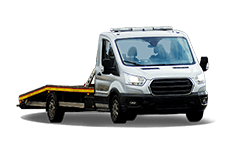
A dropside with a tail lift is worth discussing when goods are palletised or wheeled and there is no dock or forklift at the other end. Treat every published bed length as typical of a category, not a promise. Ask the supplier for the actual deck length and width of the vehicle you will get, the side height and whether each side drops on its own. Those details decide whether your load fits without overhang.
Sources: Nationwide Hire UK: 3 metre dropside, Nationwide Hire UK: 4 metre dropside, Nationwide Hire UK: dropside with tail lift, Nationwide Hire UK: 7.5 tonne dropside
Gross weight, payload and lifting equipment are three separate numbers
Three figures often get confused on flatbed jobs. Gross vehicle weight, also called maximum authorised mass, is the most the loaded vehicle may weigh, and it is normally shown on the plate or sticker. Payload is the margin between the vehicle's own weight and that maximum. The driver, any passengers, pallets and packaging all count against it alongside the materials themselves. A tail-lift rating is a third number. It only tells you what the platform can raise.
A lift that can safely raise one pallet does not mean the vehicle can carry six. A 3.5 tonne gross figure never means 3.5 tonnes of materials. Ask the merchant for the weight of the order including pallets, add the people travelling, then compare the total with the confirmed payload of the vehicle you will get. Think about axle loads too. After a part-drop, the remaining load may need moving, and a weighbridge will settle any doubt.
Sources: GOV.UK: vehicle weights explained, DVSA: HGV overloading basics, Nationwide Hire UK: dropside with tail lift
Licence entitlement follows the plated weight
Licence categories depend on maximum authorised mass, not payload or body length. A category B car licence generally covers vehicles up to 3.5 tonnes. Vehicles over 3.5 tonnes and up to 7.5 tonnes generally need C1. Check the categories on each driver's current licence against the plate on the actual vehicle. Don't assume every dropside van is within car-licence limits.
Suppliers may add their own conditions on age, driving history or commercial use, and these vary. Before paying, read the terms you are actually offered, including the wording on damage, fuel, mileage and deposits. Another company's published terms only show the kind of clauses to look for. They are not a guide to what will apply to your hire.
Sources: GOV.UK: driving licence categories, Third-party reference: Nationwide Hire UK terms and conditions
Collecting materials from Sealand Industrial Estate
Travis Perkins lists a Chester branch at Unit 4, Winsford Way, Sealand Industrial Estate, CH1 4NL. That listing is only an address. It does not confirm stock, opening hours or how loading works in the yard. Before choosing between a 3 metre and a 4 metre body, contact the branch to confirm that the order is ready, its total weight including pallets, the longest length, and whether staff load by forklift from the side or expect you to load by hand.
Their answer shapes the booking. If they load by forklift from the side, choose a dropside whose sides fold down cleanly onto a clear deck. If you are loading bags and boards by hand, a low bed and good anchorage points matter more than length. Bring restraints you have already checked. If the branch loads on site, follow its directions on where to stand the vehicle, choose level ground where you can, apply the handbrake and stay clear while a forklift works alongside.
Sources: Travis Perkins: Chester Sealand branch, HSE: safe loading and unloading
Securing the load before you leave the yard
A load has to be secured for the journey, not just placed on the deck. Weight and friction alone will not hold materials in place when you brake hard or go round a roundabout. Before loading, check the platform, sides, headboard and anchorage points for damage. Then choose restraints that suit the goods: rated straps fixed to proper anchorage points, friction matting under smooth boards, chocks for wheeled items and the headboard as a barrier at the front.
Rope hooks and sheeting points are not load-restraint anchors, so do not rely on them. Recheck strap tension after the first few miles and after any part-drop. If timber or pipe sticks out past the back or sides, measure how far before setting off. The overhang may need marking, and larger ones may require advance notice. When a load overhangs a lot, a longer body is usually the simpler answer.
Sources: DVSA: securing loads on HGVs and goods vehicles, DVSA: load securing basics, DVSA: ways to secure a load, DVSA and DfT: overhanging loads on vehicles
Entering the city centre is not the same as parking there
Chester's pedestrianised core has two separate time rules that are easy to mix up. The council's dispensation guidance says access to the pedestrianised area via Northgate Street is permitted before 10.30am and after 4.30pm during normal operational hours. Separately, parking with a dispensation is not allowed in the restricted parts of Northgate Street, St Werburgh Street, Eastgate Street, St John Street, Bridge Street and Watergate Street between 10.30am and 8pm.
Being allowed to drive in is one permission. Being allowed to stand while you unload is a separate one, and you need to check both. Plan the drop so it finishes within a period when you really may stand. Ask the council whether your job needs a dispensation at all, and read the street signs on the day because arrangements can change. If the timing looks tight, split the load or choose a smaller body so each stop is quicker.
Unloading at the job without using the wrong bay
A dispensation does not let you park in a space set aside for a particular use, such as a disabled persons' bay, a loading bay, a taxi rank or a bus stop. Find a place where you are allowed to stand before you set off, and have a backup in case it is taken. Don't assume a permit overrides whatever sign you find.
Once you have stopped, plan the unload as carefully as the drive. Choose firm, level ground and keep pedestrians clear of the falling sides and any tail lift. Agree beforehand who lifts what and where it goes. Lower the sides one at a time and check that nothing has shifted against them on the way. Take the load off evenly so what remains stays balanced and restrained.
Sources: Cheshire West and Chester Council: dispensations, HSE: safe loading and unloading